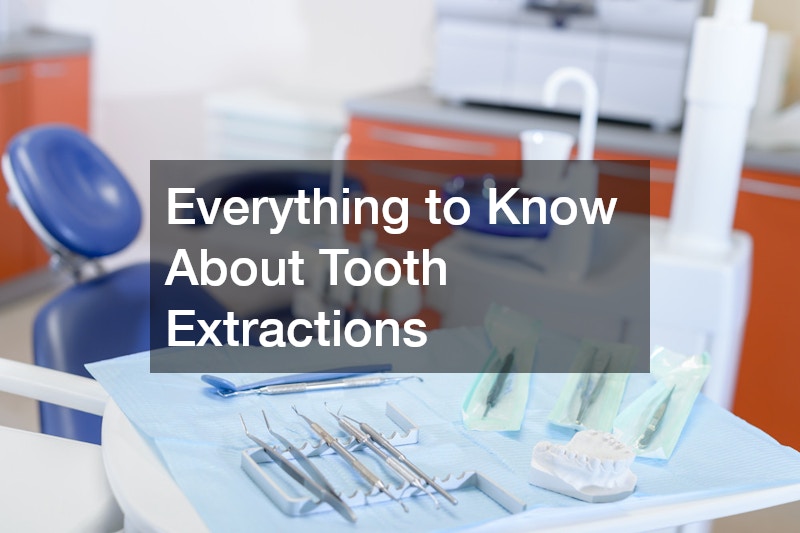
Everything to Know About Tooth Extractions
Tooth pain, crowding, and severe decay can all lead to one common dental procedure: tooth extractions. While saving a natural tooth is always the priority, there are situations where removal is the healthiest and most effective option.
Understanding why extractions are recommended, what the process involves, and how to recover comfortably can help ease anxiety and prepare you for treatment.
What Are Tooth Extractions?
Tooth extractions are dental procedures that involve removing a tooth from its socket in the jawbone. Dentists perform extractions when a tooth is too damaged to repair, poses a risk to surrounding teeth, or interferes with overall oral health.
There are two main types of extractions: simple and surgical. The type you need depends on the location and condition of the tooth.
Simple Extractions
A simple extraction is performed on a tooth that is visible above the gumline. After numbing the area with local anesthesia, the dentist gently loosens the tooth using a specialized instrument and removes it with dental forceps. This procedure is typically quick and straightforward.
Surgical Extractions
A surgical extraction is required when a tooth has not fully erupted or has broken off at the gumline. This is common with impacted wisdom teeth. The dentist or oral surgeon makes a small incision in the gum to access and remove the tooth. In some cases, the tooth may be divided into smaller pieces to make removal easier.
Why Are Tooth Extractions Necessary?
Dentists only recommend extractions when other restorative treatments, such as fillings, crowns, or root canals, are not viable. Several situations may make removal the best choice.
Severe Tooth Decay
When decay extends deep into the tooth and affects the pulp or surrounding bone, the damage may be too extensive to repair. If a root canal cannot save the structure of the tooth, extraction may prevent infection from spreading.
Advanced Gum Disease
Periodontal disease can weaken the tissues and bone that support the teeth. If a tooth becomes loose due to bone loss, removing it may be necessary to protect the health of adjacent teeth and prevent further complications.
Impacted Wisdom Teeth
Wisdom teeth often lack sufficient space to erupt properly. When they become trapped beneath the gums or grow at an angle, they can cause pain, swelling, and infection. Removing impacted wisdom teeth can prevent damage to neighboring teeth.
Overcrowding
In orthodontic cases, tooth extractions may be recommended to create space. Removing one or more teeth allows the remaining teeth to shift into proper alignment, improving both function and appearance.
Trauma or Fracture
Teeth that are severely fractured due to injury may not be restorable. If the damage extends below the gumline or into the root, extraction may be the safest option.
What to Expect During the Procedure
Understanding the process can help reduce anxiety before your appointment.
Numbing and Comfort
Before starting, the dentist administers local anesthesia to numb the area around the tooth. You may feel pressure during the procedure, but you should not feel pain. For surgical extractions or patients with dental anxiety, sedation options may be available.
Tooth Removal
For simple procedures, the dentist loosens the tooth and carefully removes it. For surgical procedures, an incision may be made in the gum, and stitches may be placed afterward to promote healing.
Immediate Aftercare
Once the tooth is removed, gauze is placed over the site to control bleeding and encourage a clot to form. Forming a stable blood clot is essential for proper healing.
Recovery and Healing
Most patients recover from tooth extractions within a few days to a week, depending on the complexity of the procedure.
Managing Discomfort
Mild swelling and discomfort are normal. Applying an ice pack to the outside of the cheek in short intervals can help reduce swelling. Over-the-counter pain relievers or prescribed medications can manage soreness.
Protecting the Blood Clot
The blood clot that forms in the socket plays a critical role in healing. Avoid using straws, smoking, or vigorously rinsing your mouth for at least 24 hours, as these actions can dislodge the clot and lead to a painful condition known as dry socket.
Eating and Drinking
Stick to soft foods such as yogurt, mashed potatoes, smoothies, and soups during the first couple of days. Avoid hot, spicy, or crunchy foods that could irritate the extraction site. Gradually reintroduce solid foods as you feel comfortable.
Oral Hygiene
Continue brushing and flossing, but avoid the extraction site for the first day. After 24 hours, gently rinse with warm salt water to keep the area clean and promote healing.
Possible Risks and Complications
Although tooth extractions are common and generally safe, there are potential risks to be aware of.
Dry Socket
Dry socket occurs when the protective blood clot is lost prematurely, exposing the underlying bone and nerves. This condition can cause significant pain and requires prompt dental treatment.
Infection
Signs of infection may include persistent swelling, fever, or discharge from the extraction site. Contact your dentist if you notice unusual symptoms.
Nerve Sensitivity
In rare cases, especially with lower wisdom teeth, there may be temporary or permanent numbness in the lips, tongue, or chin due to nerve involvement.
Replacing an Extracted Tooth
After healing, your dentist may recommend replacing the missing tooth to maintain proper bite alignment and prevent shifting.
Dental Implants
Dental implants are a long-term solution that replaces both the root and crown of the missing tooth. They provide stability and a natural appearance.
Bridges
A dental bridge fills the gap by anchoring an artificial tooth to neighboring teeth. This option is effective when implants are not suitable.
Partial Dentures
Removable partial dentures are another option for replacing one or more missing teeth. They are typically more affordable but may not offer the same stability as implants.
Maintaining Oral Health After Extraction
Proper follow-up care is essential. Attend scheduled checkups so your dentist can monitor healing and discuss replacement options if needed. Maintaining good oral hygiene and addressing dental issues early can help prevent future extractions.
Tooth extractions can feel intimidating, but they are often a necessary step toward restoring comfort and protecting long-term oral health. With the right preparation and aftercare, most patients experience smooth healing and improved overall dental wellness.

Related Posts

Hospital Level Home Care
Home Care vs. Hospital Care In healthcare, two primary options for patients needing assistance are home care and hospital care.…

Things to Ask Your Local Home Care Services
Choosing the right home care service involves understanding the options available and ensuring that all your needs will be met.…

Understanding the Role of a Partial Hospitalization Program
In the continuum of behavioral health and addiction treatment, there is a growing need for care models that offer intensive…