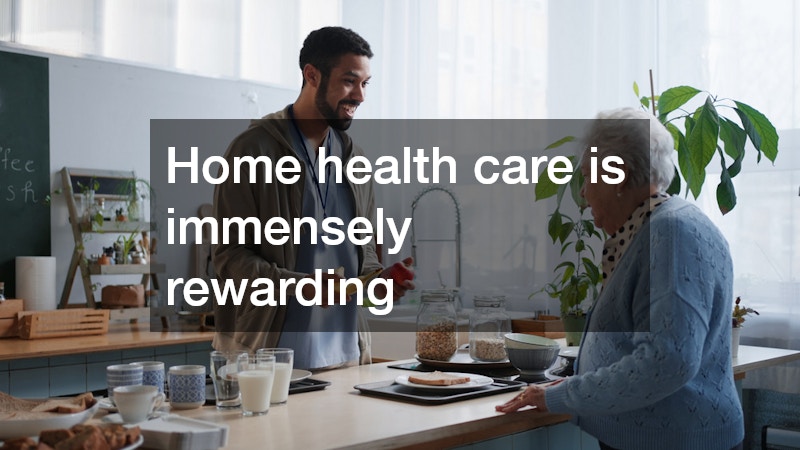
Explore the rewarding and challenging aspects of home health care to determine if this career aligns with your personal and professional goals. Home health care is not just a job; it is a calling for those who want to make a tangible difference in the lives of others. This field combines healthcare expertise with empathetic interpersonal skills, requiring professionals to manage complex care situations in a home environment. With an aging population and a growing preference for home-based medical care, the demand for skilled home health care professionals is on the rise.
Deciding whether this career is right for you involves understanding its multifaceted nature and the level of commitment required.
What Skills and Qualifications Are Necessary?
Understanding the essential skills and qualifications required is crucial for anyone considering a career in home health care. Typically, home health care professionals need to be certified nursing assistants (CNAs), licensed practical nurses (LPNs), or registered nurses (RNs). These certifications ensure that you have the medical knowledge needed to perform your duties effectively. Additionally, soft skills such as empathy, communication, and patience are indispensable as you’ll be dealing with patients who may have various physical and emotional needs. Being adaptable and able to work independently is equally important, as you’ll often be working alone in clients’ homes.
For those with a natural inclination towards caregiving, home health care offers a career where personal satisfaction meets professional accomplishments. However, the intensity of the job requires a steadfast commitment to both learning and personal development. This commitment is often seen in the desire to refine one’s skills continuously and adapt to the ever-changing healthcare landscape. Home health care professionals need to be resilient and resourceful, capable of handling emergencies and making timely decisions. Aspiring individuals should evaluate if they possess these intrinsic qualities before embarking on this career path.
What is the Work Environment Like?
A look into the day-to-day work environment of a home health care professional, examining both the challenges and the rewarding aspects of the job. Unlike traditional hospital settings, home health care professionals provide individualized attention in a more personal environment, which can be both a rewarding and demanding experience. You will have the opportunity to build long-term relationships with patients and their families, often becoming an integral part of their lives. However, this role also demands high levels of flexibility and adaptability, as each home setting might present unique challenges. Professionals must be adept at navigating different household dynamics, which requires excellent communication and problem-solving skills.
Despite these challenges, home health care is immensely rewarding, offering a sense of accomplishment as you witness the tangible impact of your care. Patients and their families often appreciate the personal attention and devotion, which can be profoundly fulfilling. The flexibility of scheduling in home health care is another attractive benefit, allowing for a better work-life balance compared to traditional healthcare settings. This autonomy can empower you to deliver care on your own terms, fostering a personalized approach. Nonetheless, the decision to pursue this career should be carefully considered, weighing both its challenges and the unique rewards it offers.
What Are the Career Advancement Opportunities?
Explore the potential career paths and advancement opportunities that exist within the home health care field, including further education and specialized roles. As the industry evolves, so do the opportunities for career progression for dedicated professionals. Those in home health care may advance by obtaining higher-level positions, such as home health agency managers or regional care coordinators. Pursuing additional certifications or degrees in nursing or healthcare administration can open doors to these advanced roles. Additionally, specialization in fields like palliative care or disease management can lead to consultancy positions or roles in healthcare policy development.
Home health care professionals who aspire to leadership roles must also focus on developing managerial skills. Managing personnel, budgeting, and compliance with healthcare regulations are vital skills for those seeking to move into administrative positions. As you gain experience, these skills can be honed, positioning you for broader responsibilities within the field. Career advancement may also entail shifting to roles that offer the chance to influence healthcare practices on a larger scale. Ultimately, the possibilities for progression in home health care are numerous, rewarding those who are committed to their professional journey with new challenges and opportunities.
Home health care offers a unique opportunity to provide personalized care in a setting that is both intimate and dynamic. While the work is demanding, it is equally rewarding, offering the chance to form meaningful connections while making a significant impact on patients’ lives. Ensuring a successful career in home health care involves possessing the right blend of medical expertise, soft skills, and emotional resilience. Individuals considering this path should weigh these factors carefully and reflect on their personal and professional aspirations. Ultimately, for those committed to making a difference in the field, home health care can offer a fulfilling and impactful career journey.