IPL (Intense Pulsed Light) treatment is a popular procedure for skin improvement, involving the use of light therapy to target various skin concerns. This outline will delve into five of the most commonly asked questions regarding IPL treatment to provide a comprehensive understanding of the procedure and its health implications.
What is IPL Treatment and How Does It Work?
Definition and Mechanism
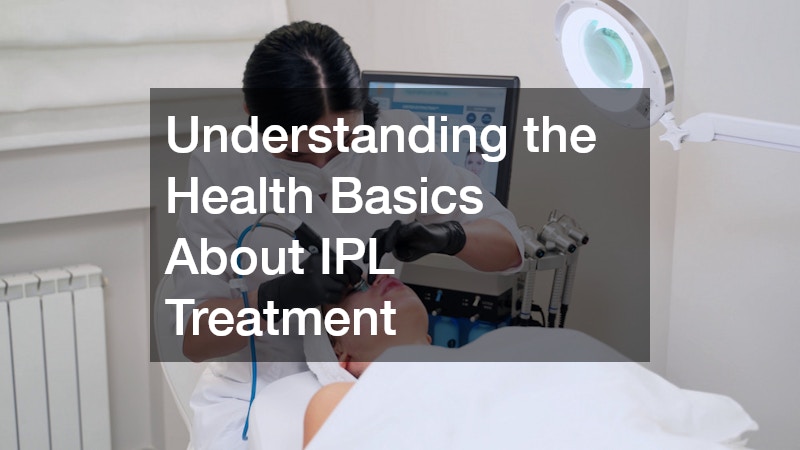
IPL treatment, or Intense Pulsed Light therapy, utilizes a wide spectrum of light to target and rectify certain skin issues. This technology is distinct from laser therapy because it employs multiple wavelengths that penetrate the skin to treat various conditions.
The device used in IPL treatments delivers specialized light pulses, which the pigments in patients’ skin absorb. Subsequently, the light energy is transformed into heat, targeting melanin and hemoglobin to correct pigmentation and vascular issues.
This treatment can effectively address problems such as skin discoloration and unwanted hair simply by adjusting the wavelength settings. Optimal results are often achieved over multiple sessions that allow the skin to gradually respond to the therapy’s effects.
Treatment Areas and Procedures
IPL can treat a variety of areas on the body, including the face, neck, chest, and hands, making it a versatile choice for those seeking comprehensive skin rejuvenation. The procedure usually begins with a layer of cool gel applied to the treatment area to protect the skin and enhance the effect of the light pulses.
Treatment sessions generally last about 20 to 30 minutes, during which patients wear protective eyewear to shield their eyes from the intense light. While the sensation during treatment may vary, most patients only experience a mild warming feeling similar to a rubber band snapping against the skin.
Post-procedure, the skin may appear slightly flushed or feel warm, akin to the feeling after a light sunburn. These effects typically subside within a few hours to days, leaving patients free to pursue their normal routines with minimal downtime.
What Are the Benefits of IPL Treatment?
Skin Improvement
IPL treatment can significantly help in reducing acne breakouts and scars due to its capability to eliminate bacteria and reduce sebum production. Moreover, it effectively diminishes hyperpigmentation and sunspots by targeting the dark pigments in the skin.
This technology can improve the appearance of blemish marks, ultimately leading to smoother and more even skin tone. Patients often report noticeable improvements in the texture and brightness of their skin following multiple sessions.
Another benefit of IPL is its capability to minimize the visibility of spider veins and facial redness linked to conditions like rosacea. Its versatility and effectiveness make it a preferred choice for those wanting an overall enhanced skin appearance.
Anti-Aging Effects
Another dimension of IPL treatment is its role in anti-aging, as it activates collagen production to achieve tighter, firmer skin. Boosted collagen levels result in a more youthful appearance, reducing the depth and formation of fine lines and wrinkles.
Regular IPL sessions can hinder premature skin aging by improving skin elasticity and restoring skin freshness. As a non-invasive method, IPL offers an appealing alternative to individuals wary of the invasiveness of traditional surgeries.
The treatment’s ability to repair sun-damaged skin further contributes to its anti-aging appeal. Overall, IPL offers both immediate results and long-term skin health improvements, making it an excellent tool for maintaining youthful skin.
What Are the Risks and Side Effects of IPL Treatment?
Common Side Effects
IPL treatment is generally safe, but like any procedure, it carries certain side effects, the most common being temporary redness and slight swelling. These mild effects typically resolve shortly after the treatment, without requiring intervention.
Some patients may also experience skin sensitivity or minor blistering, although these occur rarely. It is recommended to apply cooling gels or creams post-treatment to alleviate discomfort and protect the skin’s surface.
Due to the treatment’s non-invasive nature, side effects are brief and comparable to those experienced after prolonged sun exposure. They are not usually cause for concern and should not discourage potential patients from considering IPL treatment.
Serious Risks and Precautions
Despite its benefits, there are potential serious risks that necessitate caution, such as burns or changes in skin color. These adverse effects usually result from improper treatment settings or lack of adherence to pre-treatment guidelines.
Ensuring that procedures are performed by qualified professionals can reduce the risks of permanent skin changes or scarring. Additionally, patients are advised to disclose any recent sun exposure, medications, or skin conditions to practitioners before undergoing treatment.
To minimize risks, patients should follow pre-treatment care instructions, including avoiding sun exposure and discontinuing certain skincare products. Careful preparation is key to a successful treatment outcome and long-term satisfaction.
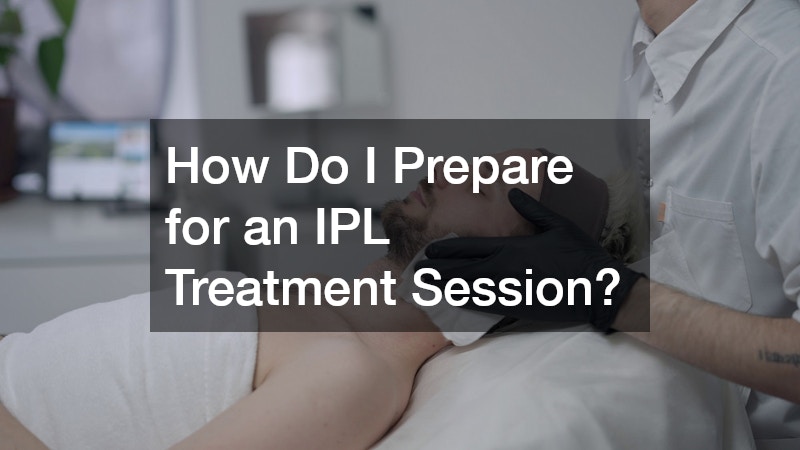
How Do I Prepare for an IPL Treatment Session?
Pre-Treatment Guidelines
In preparation for IPL treatment, patients should cease tanning, whether by sun tanning or artificial means, at least two weeks before the procedure. This recommendation is pivotal as it reduces the risk of skin damage or uneven pigmentation post-treatment.
Skincare products containing retinoids should also be discontinued ahead of treatment to prevent adverse reactions. Patients are further encouraged to keep the skin moisturized and protected by applying a broad-spectrum sunscreen daily.
On the day of the treatment, the skin should be clean and free of makeup, lotions, or perfumes. Following these guidelines can enhance treatment effectiveness and minimize the chance of negative side effects.
Skin Care Suggestions
Before undergoing IPL treatment, integrating hydrating products into one’s skincare regimen is advisable. Proper hydration supports the skin’s natural barrier and aids in recovery post-procedure.
In conjunction with hydration, antioxidants can be beneficial in pre-treatment care, helping to protect the skin from oxidative stress caused by environmental factors. These preparations fortify the skin against the light pulses used during IPL sessions.
As a rule, patients should refrain from using products that might irritate the skin, such as alpha hydroxy acids. This advice helps maintain the skin’s health and readiness for treatment, optimizing post-procedure outcomes.