
Healthcare needs rarely fit into a single category. Someone recovering from an injury may need help regaining movement, while another person may be managing a chronic condition, emotional distress, or changes associated with aging. Specialized healthcare services address these differences by focusing on particular conditions, treatments, and everyday challenges.
Understanding what each service offers can make healthcare decisions less overwhelming. Patients and families can ask more informed questions, compare appropriate options, and work with qualified professionals to develop practical plans. From short-term rehabilitation to ongoing assistance, the goal is to match care with individual needs rather than assume that one approach works for everyone.
Understanding Individual Healthcare Needs
Choosing appropriate care begins with identifying the problem that needs attention. Symptoms, medical history, current medications, daily routines, and personal goals can all influence which services are useful. A person with persistent discomfort may require a different assessment than someone having difficulty completing household tasks after hospitalization. Recognizing these distinctions helps prevent unnecessary appointments and delays in appropriate treatment.
A primary care professional can often help patients identify the next step. Depending on the circumstances, that could involve diagnostic testing, a referral to a specialist, rehabilitation, or assistance with daily activities. Patients should describe how symptoms affect work, sleep, movement, and relationships instead of focusing exclusively on a diagnosis. Functional concerns provide important context when determining what kind of support might help.
Care plans also need to account for practical circumstances. Insurance coverage, transportation, appointment schedules, accessibility, and caregiver availability may affect whether a recommended service is realistic. Asking about these details early can help families avoid unexpected interruptions. When multiple professionals are involved, clear communication is important so that treatments do not conflict or duplicate one another.
Finally, healthcare needs can change. A service that is appropriate during early recovery might become unnecessary as a patient improves, while a new concern could require additional evaluation. Regular follow-up gives patients an opportunity to discuss progress, reconsider goals, and adjust their care with the professionals overseeing treatment.

Supporting Mental Health and Addiction Recovery
Emotional well-being influences how people function at home, at work, and in relationships. Persistent anxiety, low mood, grief, trauma-related symptoms, or difficulty coping with stress can make ordinary responsibilities feel demanding. Mental health therapy offers a structured setting to examine these concerns, learn coping strategies, and work toward personal goals. Depending on the situation, treatment might involve individual sessions, family counseling, group therapy, or coordination with a prescribing clinician.
A suitable approach depends on symptoms, preferences, and the level of support required. Some people benefit from skills-based techniques for managing anxious thoughts, while others need longer-term assistance with complex emotional experiences. Progress is not always linear, so discussing expectations and reviewing goals with a licensed provider can help patients remain engaged in treatment.
Substance use concerns may require additional resources. Addiction rehabilitation centers can provide varying levels of care, including outpatient programs, residential treatment, counseling, and connections to medical services. Some people also need medically supervised withdrawal management, depending on the substance involved and their health history. The appropriate setting should be based on a professional assessment rather than assumptions about what recovery should look like.
Family involvement can be helpful when the patient wants that support. Loved ones may learn to recognize warning signs, communicate without judgment, and establish healthy boundaries. Continuing care, peer support, and follow-up appointments can help people manage challenges after an intensive treatment program ends. Seeking help early creates more opportunities to address concerns before they disrupt parts of daily life.
Managing Movement and Musculoskeletal Health
Back discomfort, neck stiffness, and joint limitations can interfere with routine activities, particularly when pain makes movement uncomfortable. These concerns may arise from injuries, repetitive tasks, changes in activity, or underlying medical conditions. A careful assessment is important because similar symptoms can have different causes, and not every problem responds to the same treatment.
Chiropractic services may be one option for selected musculoskeletal complaints, particularly certain types of back pain. Depending on the patient’s condition, a chiropractor may discuss movement, posture, exercise, and hands-on approaches. Patients should share their medical history, describe any previous injuries, and ask about expected benefits and potential risks before beginning care. Symptoms such as progressive weakness, significant numbness, or problems with bladder or bowel control warrant urgent medical assessment rather than routine treatment.
Musculoskeletal care may also involve physical therapy, physician evaluation, medication, or changes to daily habits. Strengthening exercises and gradual activity adjustments can sometimes help people regain confidence in movement. Workplace ergonomics, supportive footwear, and appropriate lifting techniques may reduce strain during recurring tasks, although recommendations should reflect each person’s situation.
Treatment plans should emphasize meaningful goals instead of simply counting appointments. A patient might want to walk comfortably, return to gardening, or sit through a workday with fewer limitations. Tracking those outcomes helps patients and clinicians decide whether a strategy is working. If pain persists, worsens, or changes unexpectedly, additional evaluation may be needed to identify other explanations and revise the plan.

Restoring Oral Health and Function
Dental problems can affect much more than the appearance of a smile. Missing teeth may change chewing patterns, make certain foods difficult to eat, and influence speech or confidence during social interactions. The most appropriate treatment depends on oral health, overall medical history, the location of missing teeth, and a patient’s preferences and budget.
Tooth implants are one possible way to replace missing teeth. A dental implant is placed in the jawbone to support a replacement tooth or another restoration. Evaluation typically includes examining the gums, reviewing bone support, and discussing whether additional procedures might be necessary. Healing time and treatment stages vary, making it important to understand the complete process rather than expecting an immediate final result.
Implants are not suitable for everyone. Gum disease, certain medical conditions, tobacco use, and other factors can affect treatment planning and healing. Dentists may also explain alternatives such as bridges or removable dentures. Comparing these choices involves considering maintenance requirements, cost, comfort, and the condition of surrounding teeth.
Long-term oral care remains important regardless of the restoration selected. Regular dental visits, brushing, cleaning between teeth, and addressing gum inflammation can help protect existing teeth and dental work. Patients should also report persistent pain, swelling, or changes around an implant promptly. By considering function and prevention together, individuals can make choices that support eating, speaking, and everyday comfort over time.
Evaluating Hormonal and Infusion Treatments
Hormones help regulate many bodily functions, and changes in hormone levels can sometimes contribute to symptoms that interfere with daily life. Fatigue, sleep disruptions, menstrual changes, and other concerns can have several possible explanations, however. A medical evaluation is essential before connecting symptoms to a hormonal imbalance or beginning treatment.
Hormone therapy may be considered for specific diagnosed conditions or symptoms, including certain menopause-related concerns and documented hormone deficiencies. Treatment options and potential benefits vary depending on the person’s age, medical history, goals, and clinical findings. A qualified clinician should discuss risks, expected results, alternatives, and follow-up monitoring. Patients should not assume that hormone treatment is necessary simply because a wellness advertisement describes common symptoms.
Intravenous treatments are another area where the reason for care matters. IV therapy delivers fluids or medications directly into a vein and can be appropriate in medical settings when oral intake is insufficient or a specific treatment requires this route. However, IV wellness drips marketed for general energy or immunity do not have the same evidence base as medically indicated infusions. They also carry risks such as infection, vein irritation, and fluid or electrolyte problems.
Before either treatment, patients should ask what diagnosis supports the recommendation and whether less invasive options exist. They should also understand who will administer the treatment, how side effects are managed, and what follow-up is planned.
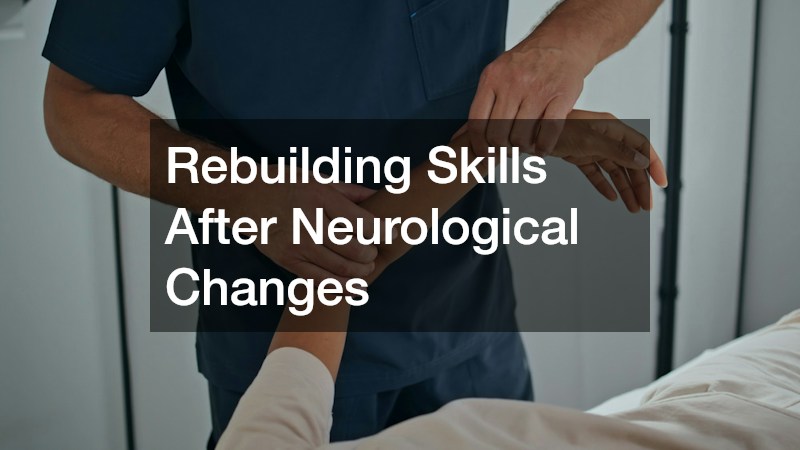
Rebuilding Skills After Neurological Changes
Neurological conditions can affect movement, balance, speech, attention, memory, and the ability to complete familiar activities. Changes may follow a stroke, brain injury, spinal cord injury, or another condition involving the nervous system. Recovery differs substantially among individuals, which makes personalized assessment and realistic goals especially important.
Neurological rehabilitation brings together therapies designed to help people improve function, adapt to lasting limitations, and participate more fully in everyday life. Depending on their needs, patients may work with physical therapists, occupational therapists, speech-language pathologists, physicians, and other specialists. Treatment can focus on walking, coordination, communication, swallowing, or strategies for managing cognitive challenges.
An effective rehabilitation plan considers more than performance in a clinic. Someone might be able to complete an exercise during an appointment but still struggle with stairs, meal preparation, or navigating a crowded store. Practicing relevant tasks and adapting home environments can help bridge that gap. Assistive devices and caregiver education may also make daily activities safer and more manageable.
The pace of rehabilitation may change over time, and improvement is not always predictable. Small gains, such as dressing with less assistance or communicating a need more clearly, can still be meaningful. Regular reassessment allows the team to modify exercises, introduce new strategies, and discuss realistic expectations. Families can support this process by listening to the patient’s priorities and encouraging independence when it is safe and appropriate.
Treating Complex Wounds and Supporting Healing
Most minor cuts heal with basic care, but some wounds remain open, worsen, or recur because of underlying health issues. Diabetes, poor circulation, pressure, infection, and limited mobility can all complicate healing. A wound that does not improve deserves professional attention, especially when pain, drainage, redness, or swelling is increasing.
Advanced wound care services address wounds that require more than routine cleaning and dressings. Clinicians may assess circulation, identify infection, remove unhealthy tissue when appropriate, and choose dressings suited to the wound’s condition. Some patients need pressure relief, compression, nutritional support, or management of an underlying medical problem. The treatment plan should be tailored to the reason healing has stalled rather than relying on a single product or procedure.
Patients and caregivers play an important role between appointments. Following dressing instructions, keeping pressure off vulnerable areas, and watching for changes can support professional treatment. People managing diabetes may also need assistance with blood sugar control and foot care, while those with reduced mobility may benefit from strategies to change positions safely.
Wound care often requires coordination among several professionals. A primary care clinician, wound specialist, nurse, or vascular specialist may contribute different expertise depending on the situation. Patients should know whom to contact if symptoms suddenly worsen and when emergency evaluation is appropriate. Careful monitoring and timely adjustments can reduce avoidable complications while supporting comfort and healing.
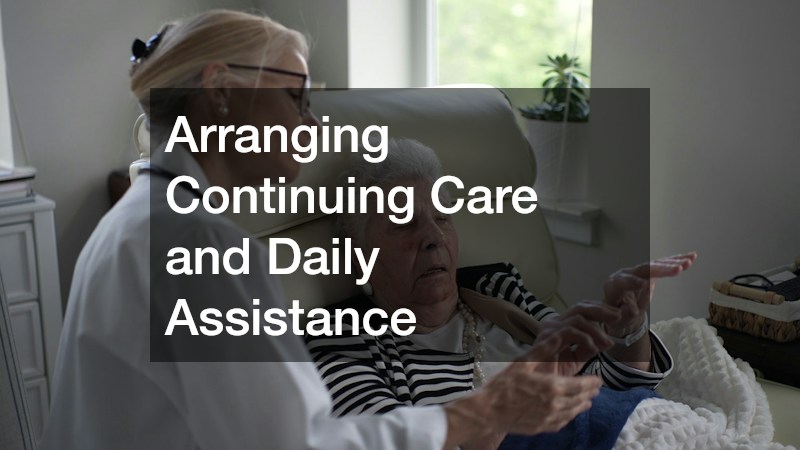
Arranging Continuing Care and Daily Assistance
Some health needs extend beyond appointments because people require support with medications, mobility, hygiene, or other everyday tasks. The right arrangement depends on medical complexity, living conditions, personal preferences, and how much assistance family members can realistically provide. Planning ahead allows patients to take part in decisions rather than making them only during a crisis.
Home health care may be appropriate for eligible patients who need intermittent skilled nursing or therapy in their own homes. Services can include monitoring medical conditions, wound care, and rehabilitation under a clinician-directed plan. This differs from nonmedical home care, which commonly assists with meals, housekeeping, companionship, and personal routines. Understanding that distinction helps families ask providers about the exact services offered and how payment or insurance coverage works.
Assisted living facilities offer another option for people who need regular help with daily activities but do not necessarily require continuous skilled nursing. Services and staffing vary by community, so families should ask about medication assistance, accessibility, emergency procedures, costs, and how changing care needs are handled. Visiting a facility and discussing a resident’s routines can reveal whether its environment aligns with personal priorities.
No arrangement works indefinitely without review. Changes in mobility, cognition, medical needs, or caregiver capacity may require a different level of support. Clear conversations among patients, families, and healthcare professionals can make those transitions more manageable. By choosing services based on specific needs and reassessing them over time, people can pursue appropriate care while protecting independence, dignity, and quality of life.