
Good health involves more than responding to an illness or scheduling an annual appointment. Physical comfort, emotional stability, restful sleep, and confidence in daily routines all influence how people feel and function. Someone might seek help for persistent fatigue while overlooking sleep concerns, or prioritize appearance over preventive care. Understanding the range of available professionals makes it easier to recognize when specialized attention could be useful.
Healthcare and wellness services serve different purposes, and no single approach meets everyone’s needs. Some providers diagnose and treat medical conditions, while others offer practical assistance or elective services that contribute to personal comfort and help individuals feel more confident in their everyday routines.
Recognizing When Mental Health Support Is Needed
Emotional health affects relationships, work, sleep, and the ability to manage everyday responsibilities. Temporary sadness or stress is common, but symptoms that persist, become more intense, or interfere with normal activities deserve attention. A primary care provider or licensed mental health professional can help determine whether an evaluation is appropriate.
For people experiencing significant depression, depression treatment facilities may provide structured services that extend beyond occasional appointments. Depending on the program and a person’s clinical needs, care might include individual therapy, group sessions, medication management, or additional support during a period of instability. Facilities vary in intensity, staffing, admissions, and follow-up services. Asking about clinical credentials, treatment approaches, insurance coverage, and discharge planning can clarify whether a program is suitable.
Attention difficulties may require a different approach. Children and adults who struggle with concentration, organization, impulsivity, or time management can benefit from an individualized evaluation. Sleep problems, anxiety, and other conditions sometimes resemble attention-related symptoms, so it is important not to assume a diagnosis based on a few experiences. Depending on the findings, care may include behavioral strategies, counseling, appropriate accommodations, or medication prescribed by a qualified clinician.
Mental healthcare is most useful when it reflects an individual’s circumstances rather than a generic formula. Clear communication with qualified providers helps people understand their options, participate in decisions, and adjust treatment as their needs change.
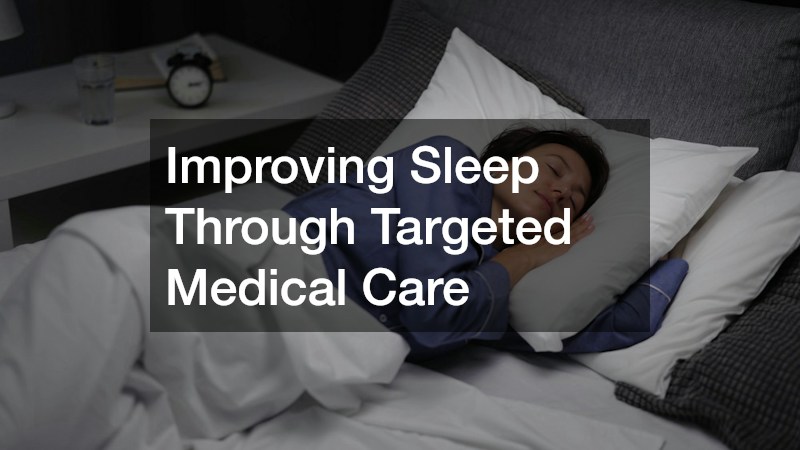
Improving Sleep Through Targeted Medical Care
Sleep influences alertness, mood, memory, and daily performance. Occasional restless nights are frustrating, but ongoing difficulty falling asleep, staying asleep, or feeling refreshed can signal a concern worth discussing with a clinician. Loud snoring, witnessed pauses in breathing, and pronounced daytime sleepiness are additional reasons to seek assessment.
Specialists known as sleep doctors evaluate symptoms, review medical histories, and determine whether testing may help identify underlying conditions. Depending on the situation, evaluation could involve a sleep study, a review of medications, or changes to habits that affect rest. Insomnia, sleep apnea, and other sleep disorders require different management strategies, so choosing a treatment without understanding the cause may be ineffective.
For individuals diagnosed with certain forms of sleep apnea, clinicians may recommend continuous positive airway pressure therapy. These devices deliver pressurized air through a mask to help keep the airway open during sleep. Successful use often depends on an appropriate mask fit, comfortable pressure settings, regular cleaning, and guidance when problems arise. People who experience dryness, air leaks, or discomfort should discuss those concerns with their care team rather than discontinue prescribed therapy without advice.
Better sleep can also involve consistent bedtimes, a comfortable bedroom, limited late caffeine intake, and attention to stress.
Protecting Oral Health With Preventive Dentistry
Oral health affects far more than the appearance of a smile. Tooth pain, gum irritation, and difficulty chewing can interfere with meals, concentration, and everyday comfort. Routine dental visits create opportunities to identify concerns before they become more complicated, although the appropriate examination schedule depends on individual risk factors and professional guidance.
A family dentist often provides preventive services for patients at different ages. Appointments may include examinations, professional cleanings, dental imaging when indicated, and discussions about brushing, flossing, nutrition, and other habits.
Preventive care is especially important when routines or circumstances change. Children may need advice as permanent teeth emerge, adults may notice changes in gum health, and older patients may experience dry mouth related to medications. People with limited mobility or dental anxiety can also benefit from discussing accommodations before an appointment. Providers may adjust the environment, explain procedures, or recommend additional support.
Daily home care remains central to oral wellness. Brushing with fluoride toothpaste, cleaning between teeth, and discussing persistent discomfort with a professional can help protect teeth and gums. Dental appointments should not replace good habits, just as home care should not replace examinations when symptoms appear. Combining both approaches gives people a practical foundation for long-term oral comfort.

Restoring Comfort and Confidence Through Dental Treatment
Even with consistent prevention, people can develop missing, damaged, discolored, or uneven teeth. These changes may affect chewing, speech, or confidence in social situations. The most appropriate response depends on oral health, personal goals, cost, and the extent of the concern.
One option for replacing missing teeth is dental implants. An implant typically involves a surgically placed post that supports a restoration after healing. Suitability depends on factors such as bone condition, gum health, medical history, and the ability to maintain the restoration. Treatment can require multiple appointments, and alternatives may include bridges or removable dentures. Patients should ask about the process, expected maintenance, potential complications, and the full financial commitment.
Some people also want to improve tooth color. Searching for the best teeth whitening treatment can introduce numerous products and procedures, but the right approach depends on the cause of discoloration, tooth sensitivity, existing restorations, and individual expectations. A dental professional can explain options and limitations before someone commits to an in-office procedure or an at-home product. Whitening also does not change the color of crowns or fillings, which may affect the final appearance.
It is useful to request a clear treatment plan before agreeing to any procedure. Reviewing realistic outcomes and ongoing care can reduce surprises. A successful choice should support comfortable function and fit the patient’s priorities rather than follow a temporary trend.
Finding Appropriate Support for Older Adults
As people age, daily needs can change gradually or after a sudden illness or injury. Tasks such as preparing meals, organizing medications, bathing, and moving safely around the home may become more difficult. An honest conversation about current needs can be a constructive starting point.
A local assisted living community may offer housing, meals, social activities, and assistance with daily tasks. Services differ across communities, so families should not assume that every location provides the same level of medical oversight or personal support. Some residents need reminders and occasional help, while others require more intensive care that an assisted living setting may not be equipped to provide.
When considering a community, visiting in person can reveal details that brochures cannot. Pay attention to accessibility, cleanliness, staff interactions, meal options, opportunities for social engagement, and how concerns are handled. Ask about staffing patterns, emergency procedures, fees, contract terms, and circumstances that could require a move to a higher level of care. Licensing information and inspection records offer additional context.
Community living is not the only possibility. Home modifications, transportation services, in-home assistance, and support from family caregivers may help someone remain at home safely. For people who use mobility equipment, access to wheelchair scooter repairs can also make a meaningful difference in maintaining dependable transportation and daily routines. Repair providers can assess issues such as damaged wheels, batteries, or controls, while users should avoid operating equipment that is unsafe or malfunctioning.
The goal is to choose arrangements that reflect the older adult’s preferences, needs, and resources while allowing flexibility as circumstances change.

Exploring Personalized Skin Care Services
Skin care can support a broader wellness routine when people want to address dryness, sensitivity, or changes in appearance. However, skin needs vary with age, environment, medication use, and underlying conditions. Products or procedures that suit one person may irritate another, making a thoughtful consultation more useful than copying an unfamiliar routine.
Facials are sometimes tailored around an individual’s skin concerns and preferences. A session might include gentle cleansing, exfoliation, moisturizing products, or other techniques chosen after a review of skin type and sensitivity. Clients should disclose allergies, recent procedures, and products they use at home. Anyone with persistent rashes, suspicious lesions, or severe irritation should seek medical assessment rather than rely on a cosmetic treatment to diagnose the problem.
A local med spa may offer additional appearance-focused services, some of which involve medical procedures or devices. The availability and oversight of these treatments depend on the establishment and local regulations. Before booking, ask who performs the procedure, what qualifications they hold, what risks and recovery steps are involved, and how complications would be managed.
Simple routines still matter. Gentle cleansing, appropriate moisturizer, and daily sun protection can support skin health between appointments. Professional cosmetic services may help people pursue personal goals, but they work best when expectations remain realistic and skin safety comes first.
Coordinating Care for a More Complete Picture
Using several services does not automatically produce better health outcomes. Their value depends partly on whether individuals understand the purpose of each appointment and share relevant information when appropriate. A sleep concern, for example, might affect concentration and mood, while certain medications may influence oral dryness or daytime alertness. Recognizing these connections helps prevent people from treating every symptom as an isolated problem.
Primary care clinicians can often help identify which concerns warrant specialist evaluation. Keeping a current list of medications, supplements, diagnoses, and recent procedures makes conversations more productive. People should also tell providers about significant changes in symptoms, even when those changes seem unrelated to the immediate appointment.
Insurance networks, referral requirements, transportation, appointment timing, and out-of-pocket costs can influence which services are accessible. Before scheduling, ask what a visit includes, which expenses may be separate, and whether follow-up care is expected. Written notes can help patients remember recommendations and questions to raise later.
Personal choice remains important throughout the process. People can ask for explanations in plain language, seek another professional opinion when a major treatment decision is unclear, and discuss alternatives that better fit their goals. Good coordination is not about collecting more appointments. It is about ensuring that each service has a clear purpose within a manageable approach to care.

Maintaining Wellness With Everyday Choices
Professional services can address specific concerns, but everyday habits and living environments also shape how people experience their health. Regular movement, nutritious meals, adequate rest, social connection, and manageable routines all contribute to a practical foundation for well-being.
A comfortable home environment deserves attention as well. Persistent dampness and visible mold should prompt homeowners to identify and correct the moisture source. When contamination is extensive or difficult to address safely, a mold removal service may be appropriate. Repairing leaks and controlling indoor humidity are important because cleaning affected surfaces alone will not prevent mold from returning. People with asthma or other respiratory concerns may want to discuss exposure-related symptoms with a healthcare professional.
Relaxation can be part of a balanced routine, too. Some people enjoy hot tubs as a way to unwind, but warm-water activities require sensible precautions. Water chemistry, cleaning, and temperature control matter, and prolonged exposure to excessively hot water can cause overheating. People who are pregnant or have certain medical conditions should ask a clinician about appropriate use.
Building sustainable routines usually works better than attempting dramatic changes all at once. A person might begin by preparing balanced lunches, taking short walks, or setting a consistent bedtime.
It also helps to reassess needs over time. A service that was appropriate several years ago may no longer fit a person’s health, finances, or living situation. Periodically reviewing treatment goals, preventive care, and personal priorities allows people to make changes deliberately instead of waiting for a crisis.
Overall wellness is not a fixed destination or a checklist of treatments. It is an ongoing process of paying attention, asking informed questions, and choosing support when it is useful. By combining appropriate professional services with realistic daily habits, people can build routines that protect comfort, encourage confidence, and adapt to changing needs.